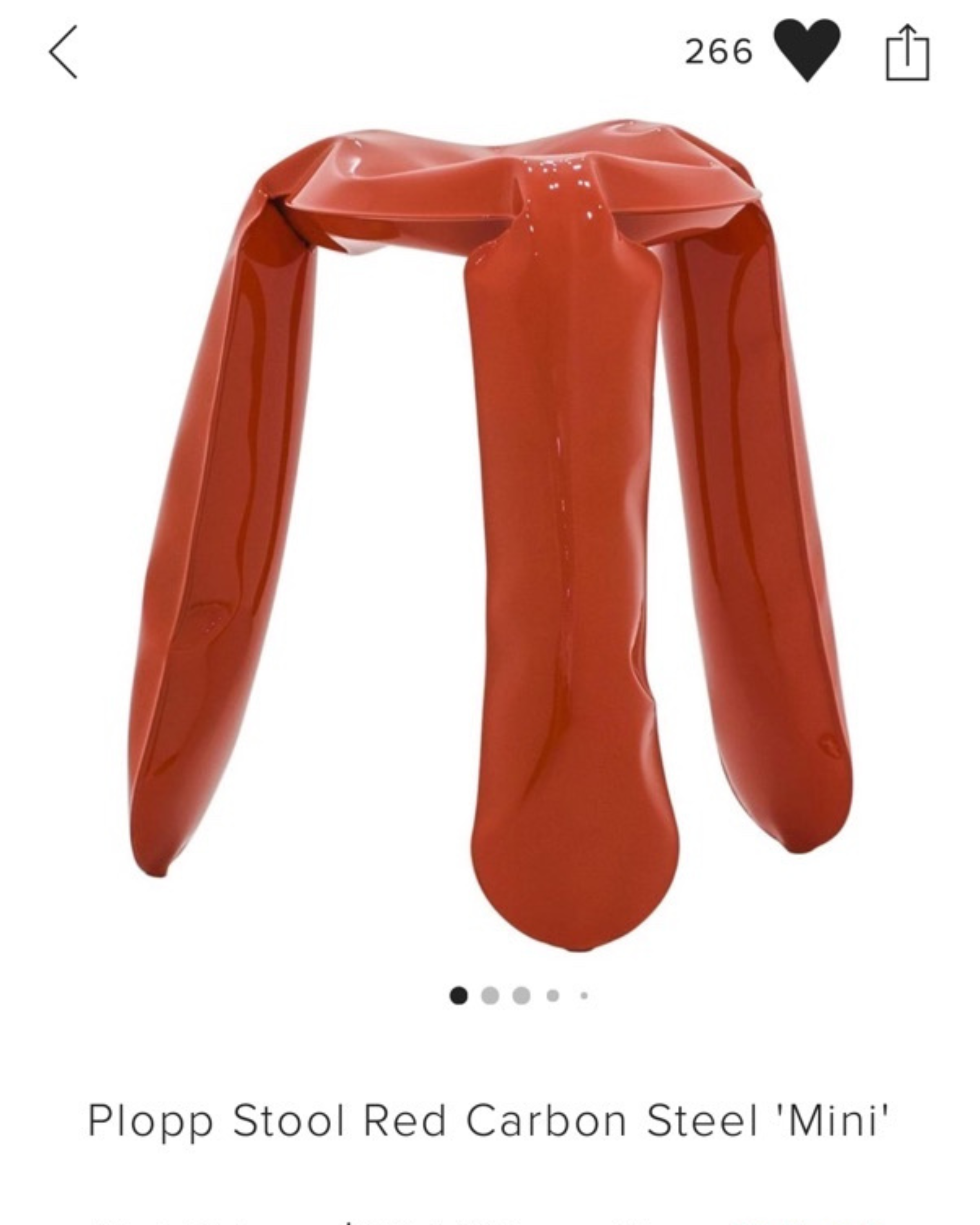
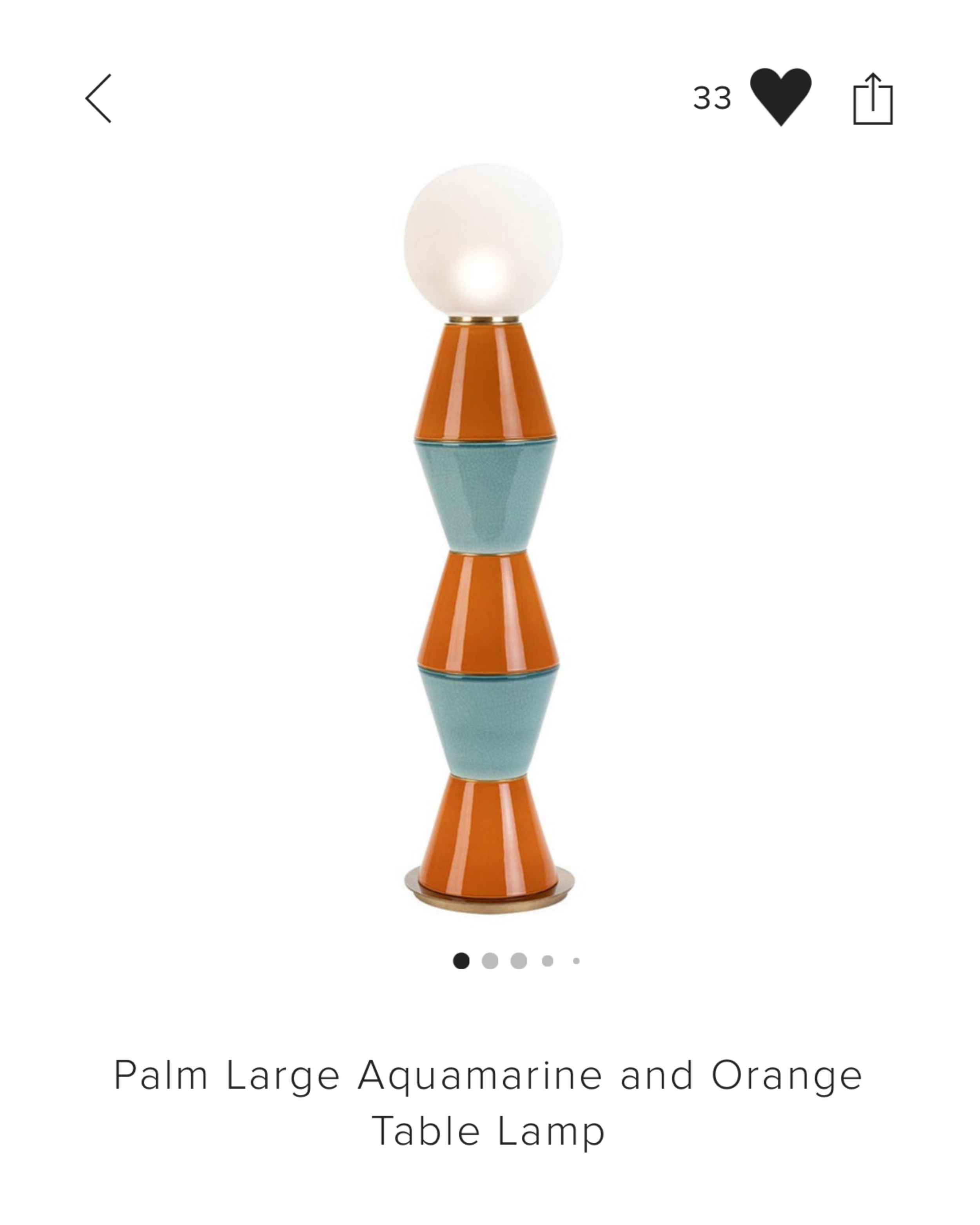
We all want to feel good, and that urge is ever present in our desire to design a space that is uniquely ours. Enter “Dopamine Design,” a new-ish buzzword to describe using color and whimsy to decorate a space that makes you, the individual real life person, happy.
The idea isn't new: design for the person, their personality and how they live, not for a trend, not for an algorithm. And certainly not because a photo on social media has 100K likes and you want your space to be exactly the same. The concept, that design should make us feel something uniquely personal, has always been the goal. It’s just been rebranded with a new name and an Instagram following, inspiring a new generation to make their spaces feel more like their own.
The idea of Dopamine Design calls for us to embrace saturated colors, unexpected furniture, textured rugs, and funky artwork. When I describe Design Life, it starts from one idea, where you live and how you feather your nest should make you happy. I believe that fully. So I'm happy to embrace the branding, whatever hashtag we use.
What I love most about this particular incarnation is that it has traction. There is a collective ennui after years of seeing greige everything, then a brief swing towards earth tones, resulting in the same rooms showing up in every feed I scrolled. Yawn. I’m more than ready to see spaces with more personality and a little more color.
Between Safe and Scared
Some clients come to me wanting a push. They're curious about color, ready to branch out into something more fun, but the idea of going full Dopamine Design feels terrifying. And I get it. It asks you to express yourself, to let your friends and family see a little more of who you actually are, fascinating, beautiful quirks and all
Beige never asked that of anyone; it let us skip the harder question of what we actually want. So clients worry, “What if I share what I like and it looks crazy? What if it's too much? How much of myself am I really putting on display? If people don't like the room, does that mean they don't like me?”
The doubts creep in, and staying in the greige zone starts to feel like the responsible choice.
I've had enough clients ask how to bring color into their everyday life that I think it's worth writing down. There's a real line between a happy, colorful home and clown filled circus tent, and it's thinner than most people think.
Where to Begin
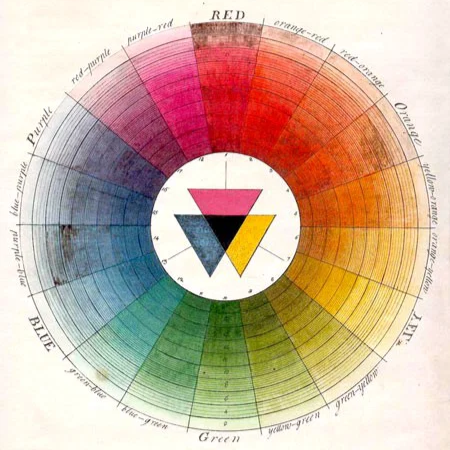
A shaded colour wheel from the pen of British entomologist Moses Harris, featured in his The Natural System of Colours (1766)
Start with the color wheel. Every designer has one tucked in a drawer somewhere, left over from design school. If fire was humanity's most important discovery, the color wheel might be ours. It's the tool that helps us keep a palette feeling considered instead of chaotic.
What’s your favorite color? Great, then find its complement. What is a complement, you may ask? It’s the color that sits directly across the wheel. Violet with yellow. Orange with blue. Once that feels comfortable, try split complements. This time, take the two colors flanking the complement. Orange with blue becomes orange with blue-green and blue-violet. Let’s get a little nuts and go further with a triad, three colors equidistant on the wheel, like orange, green, and violet. Or stay analogous: the colors that sit next to each other, like orange, yellow, and yellow-green.
Art. You know how we feel about art around here. Large-scale graphic prints in bold color. Painted frames. Subject matter with a point of view. Don't be afraid to try the political, provocative, or just a splash of neon green. We also love to remind our clients about dimensionality in their art. A sculptural piece that emerges from the wall or suspends from the ceiling can change the mood of a whole room. If you're easing your way into Dopamine Design from a fully greige room and don't know where to begin, art is a great place to start.
Rugs. If we take a bottom-up approach, then adding a colorful rug can change the whole tone of a space. You can ground a space (no pun intended) with a solid wash of color, graphic prints with rhythm and movement, or something with a tactile quality that leads with texture.
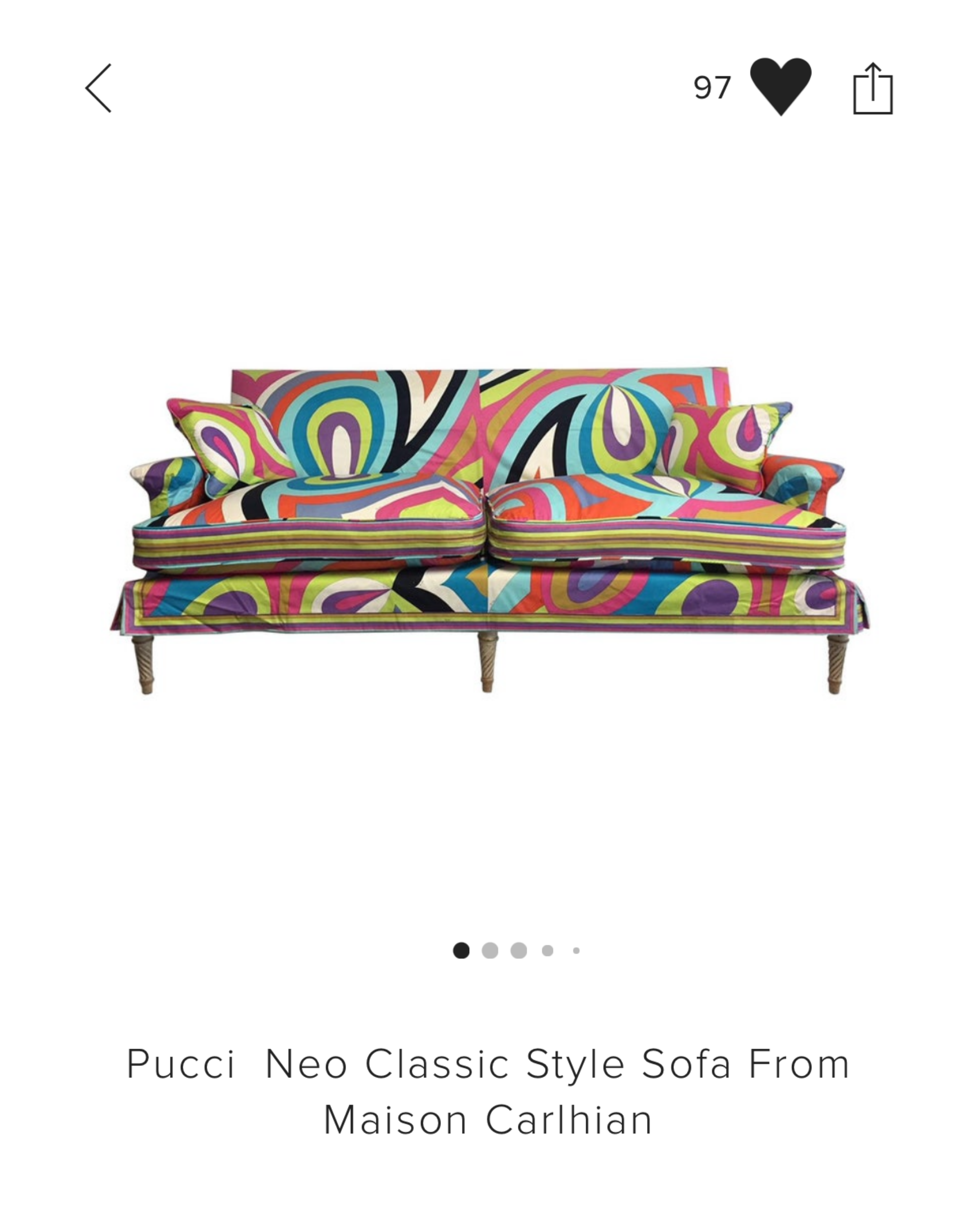
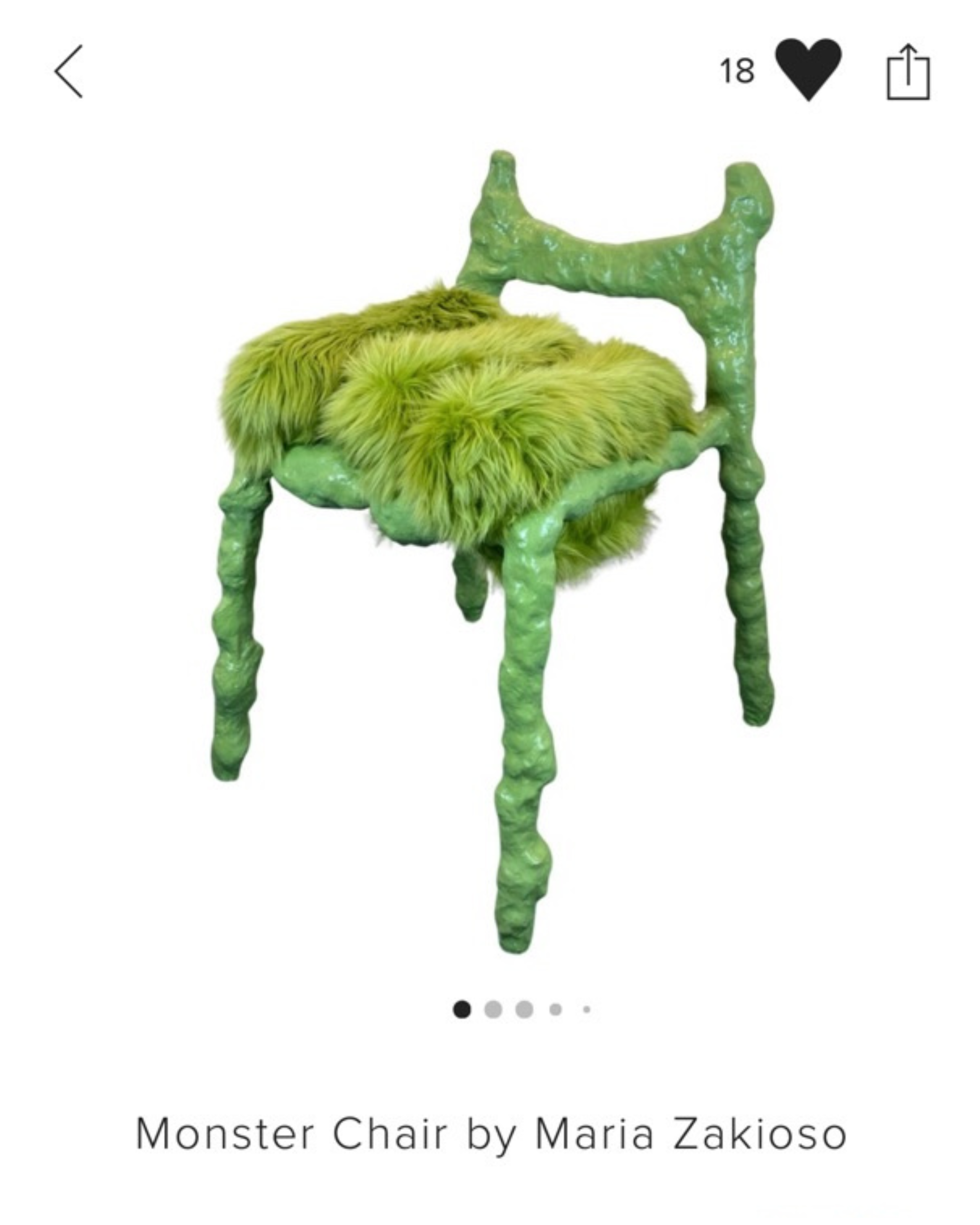
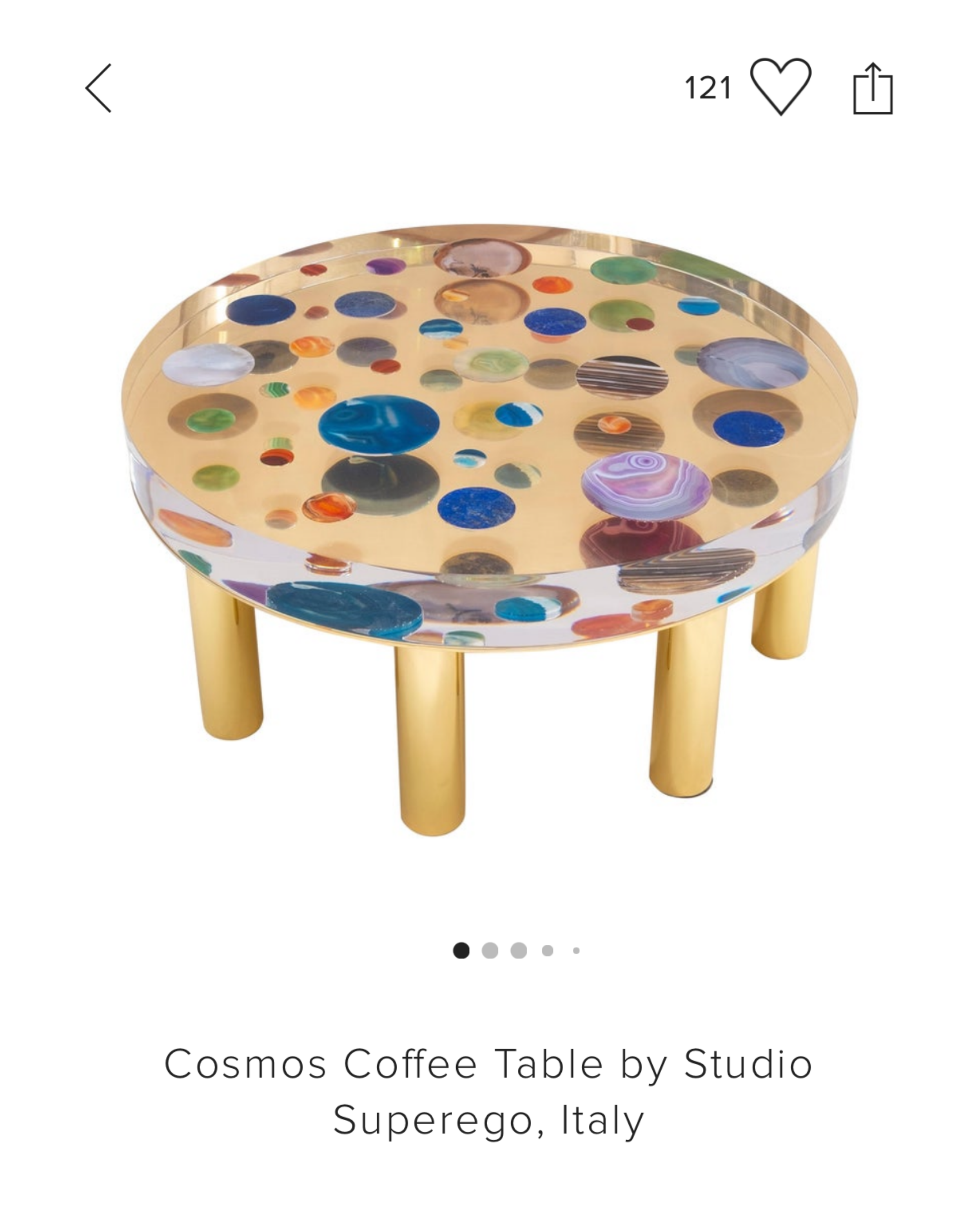
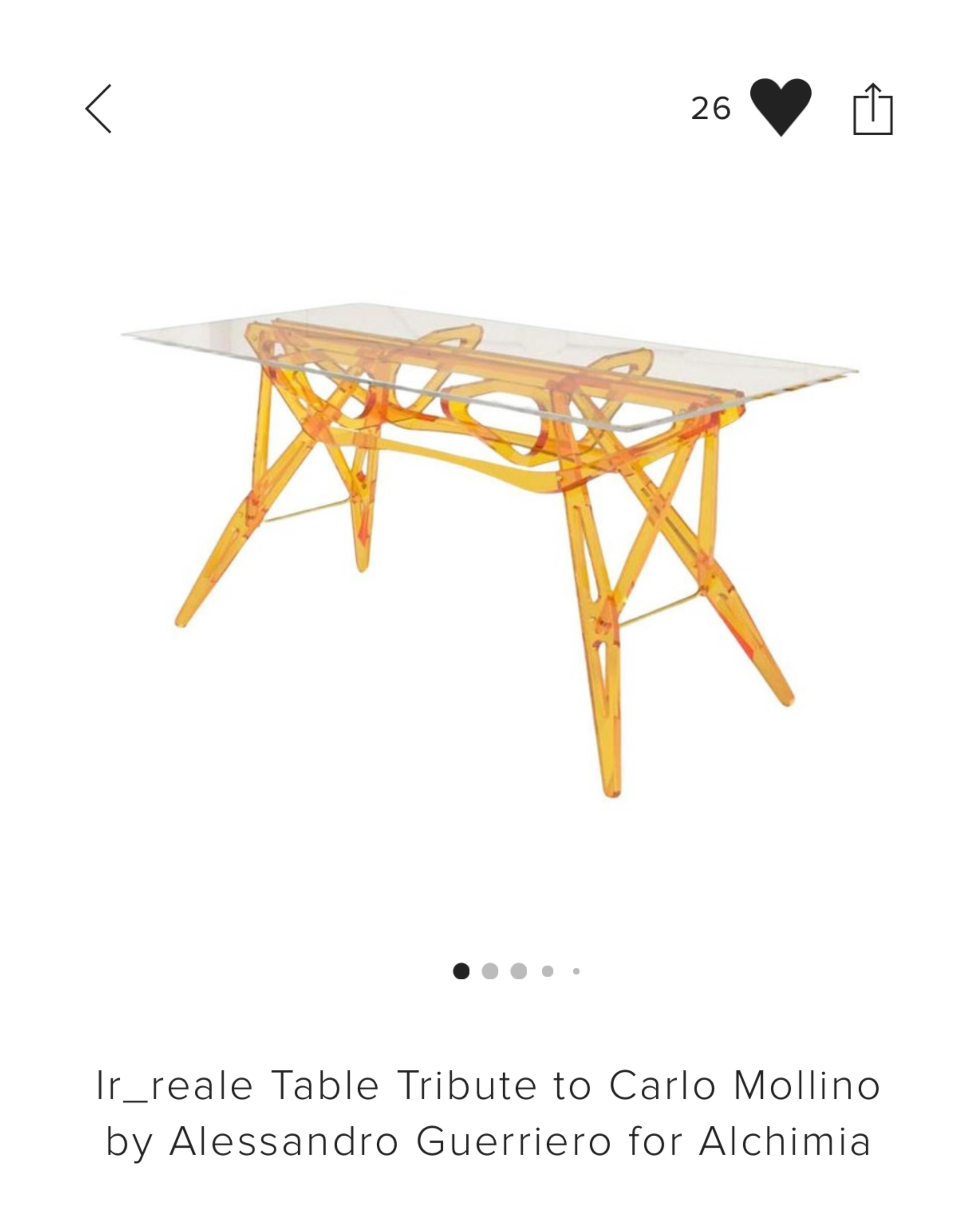
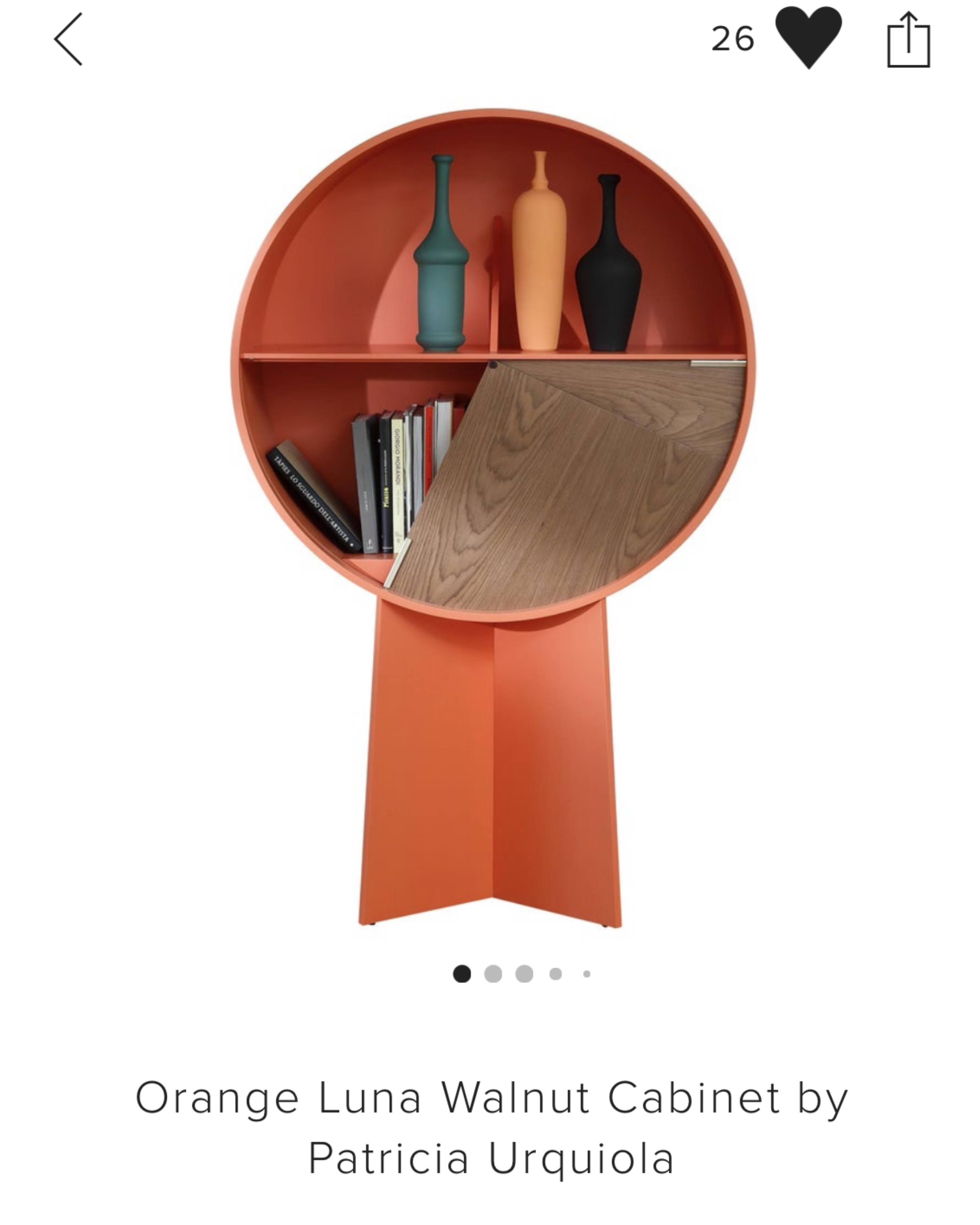
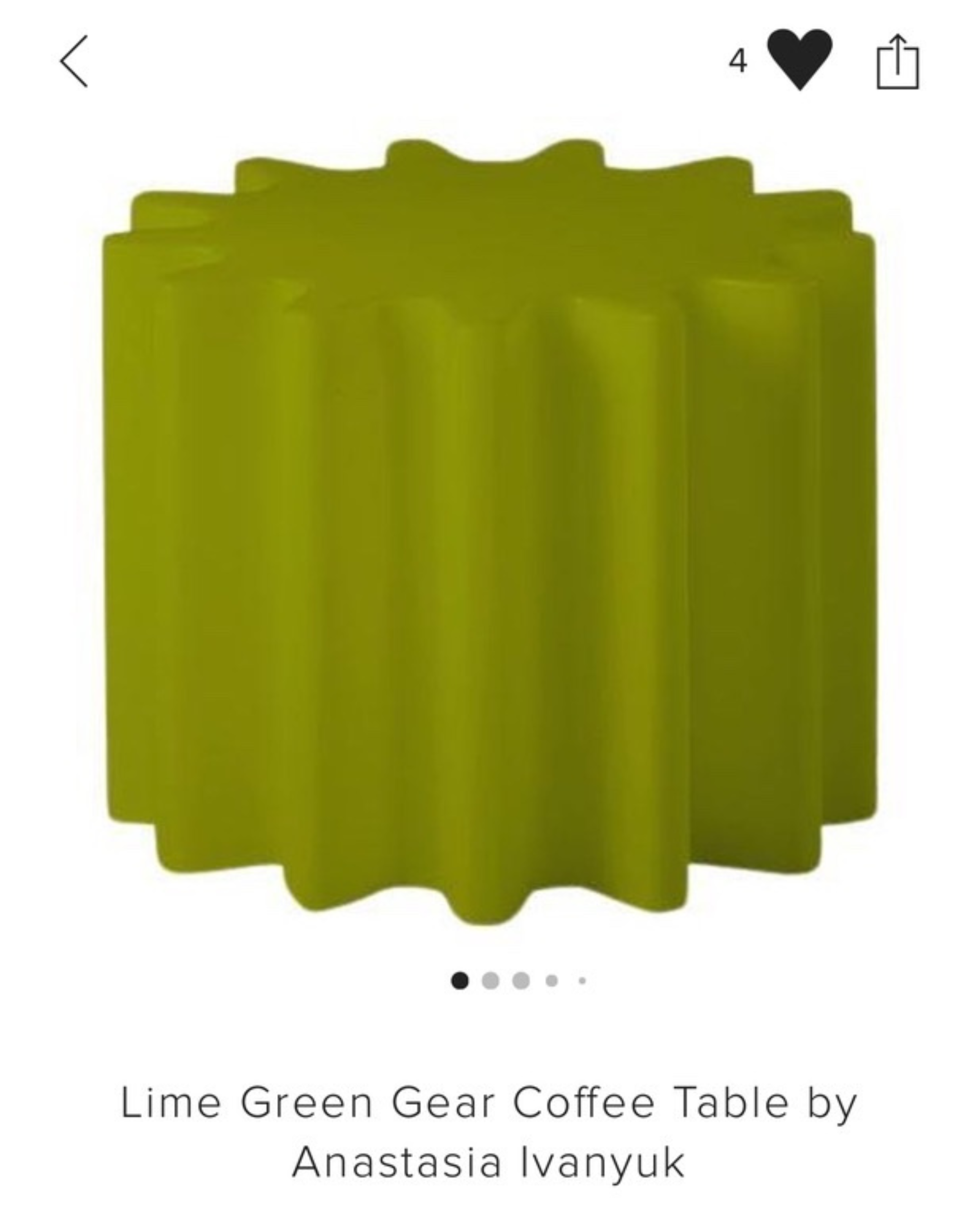
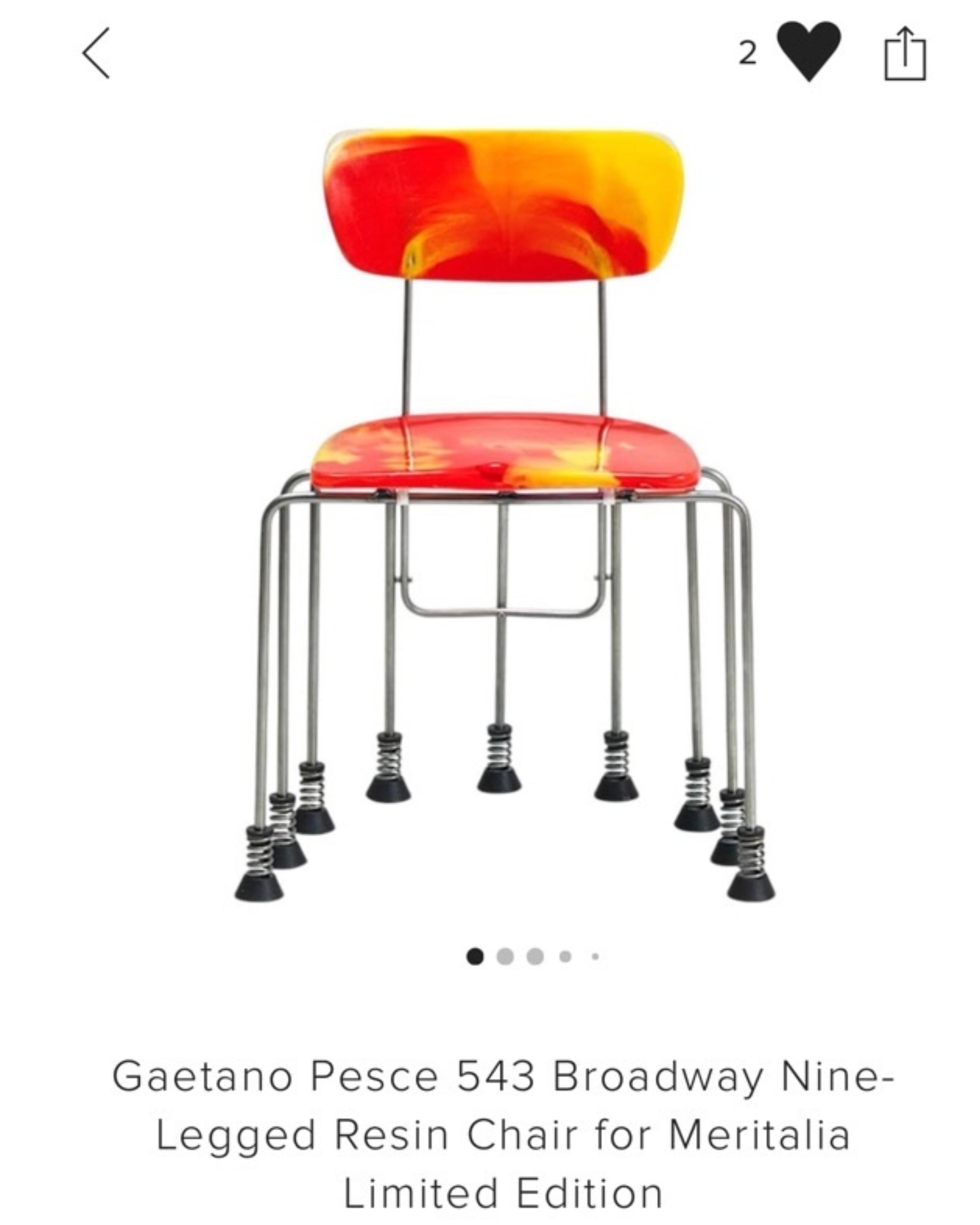
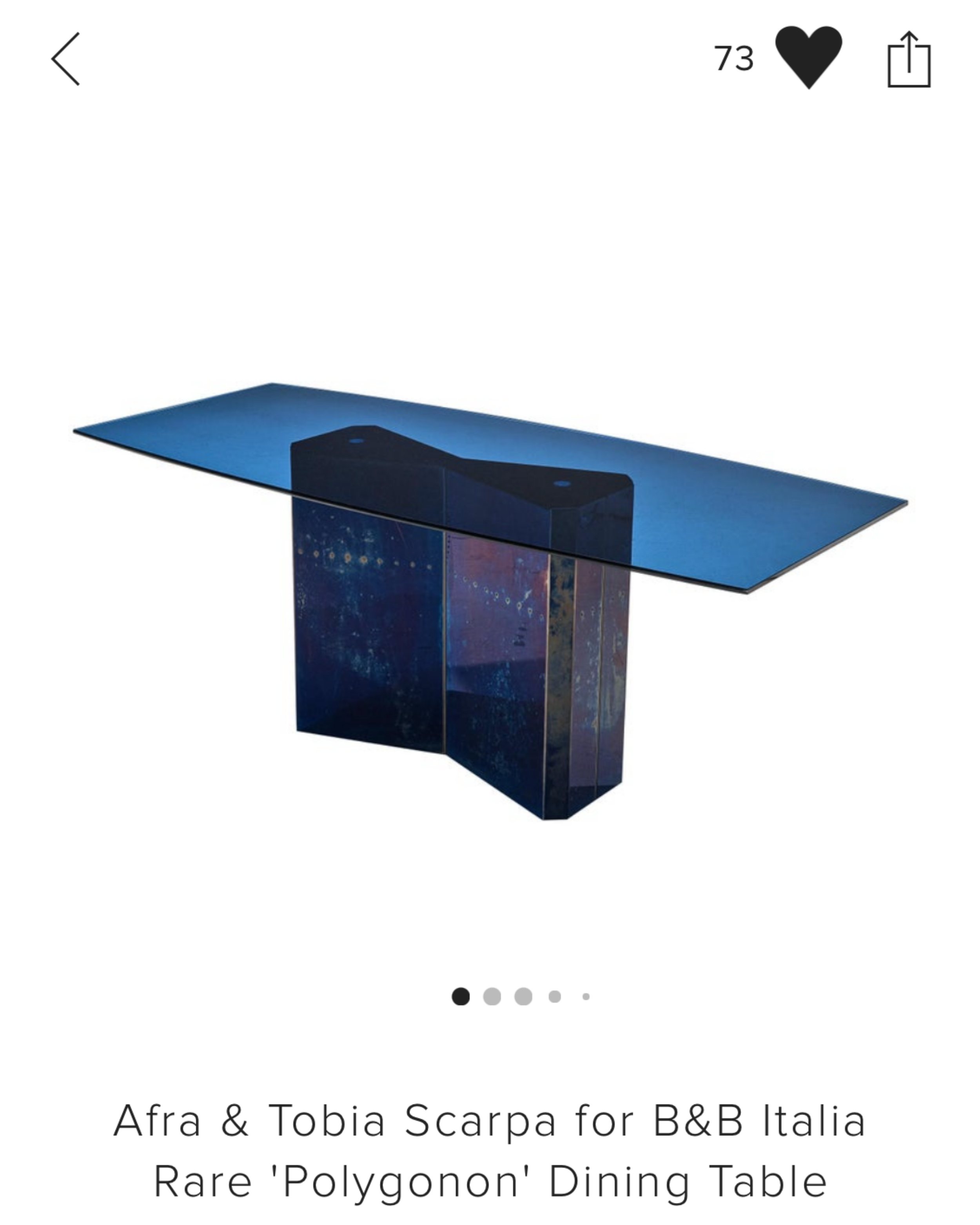
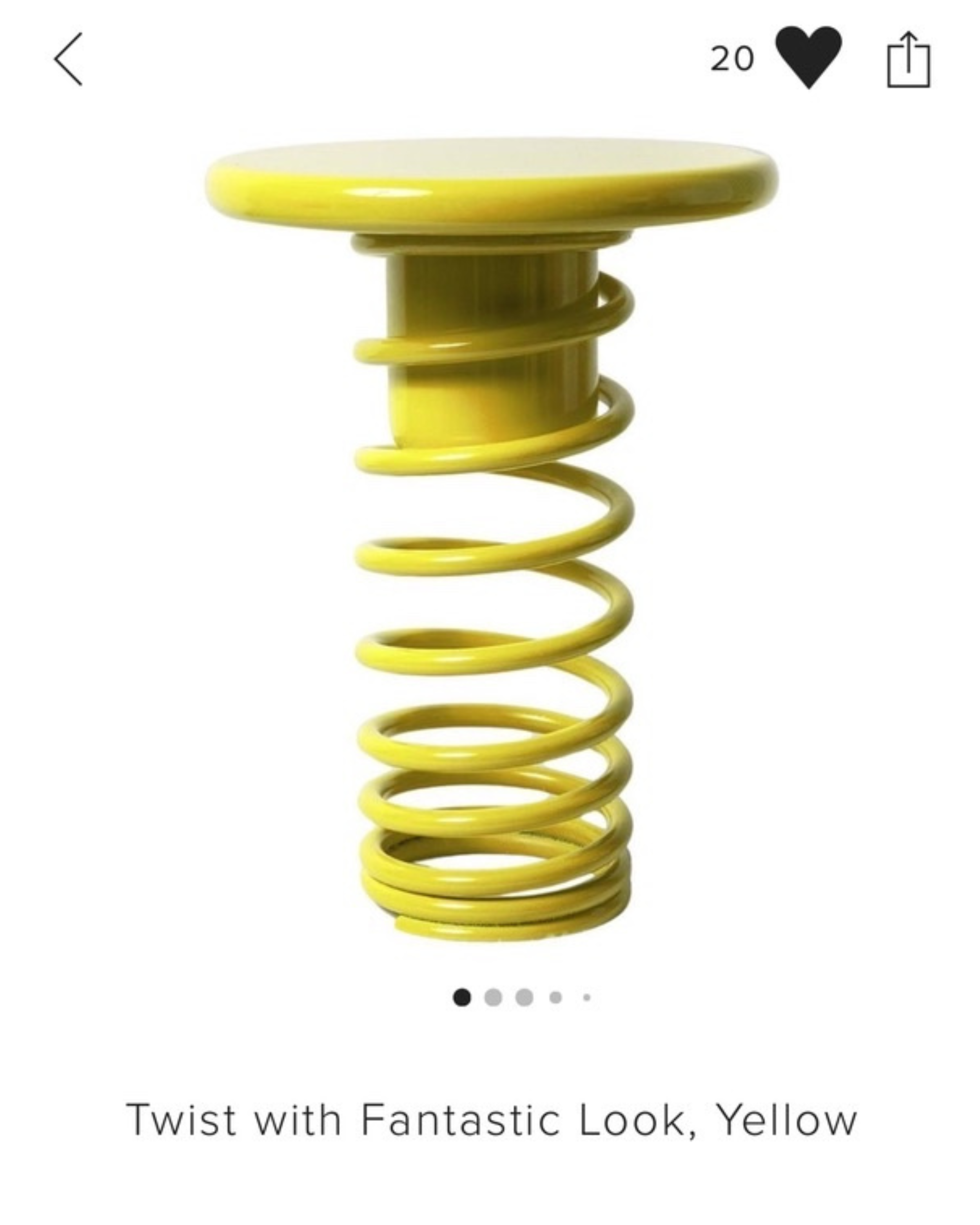
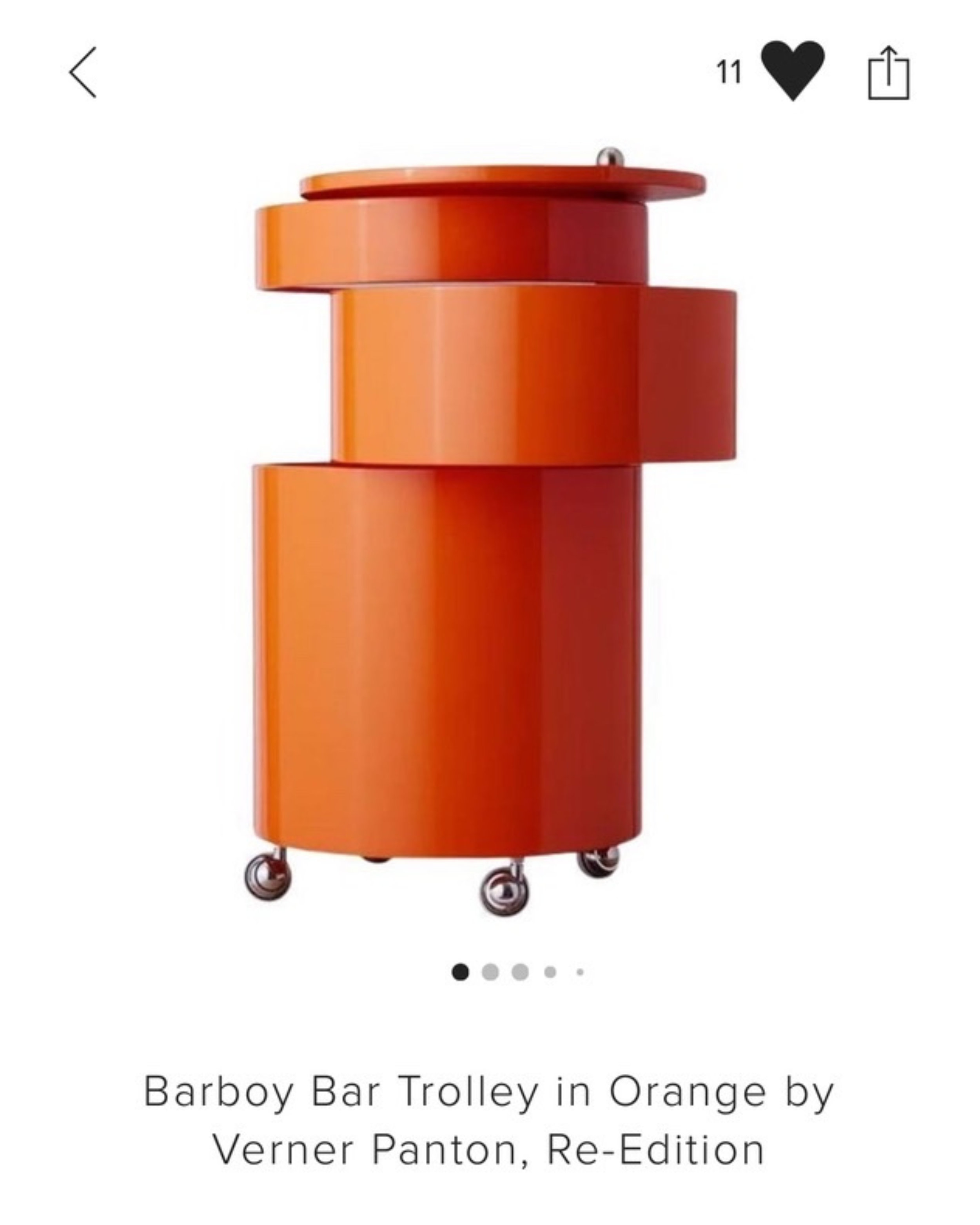
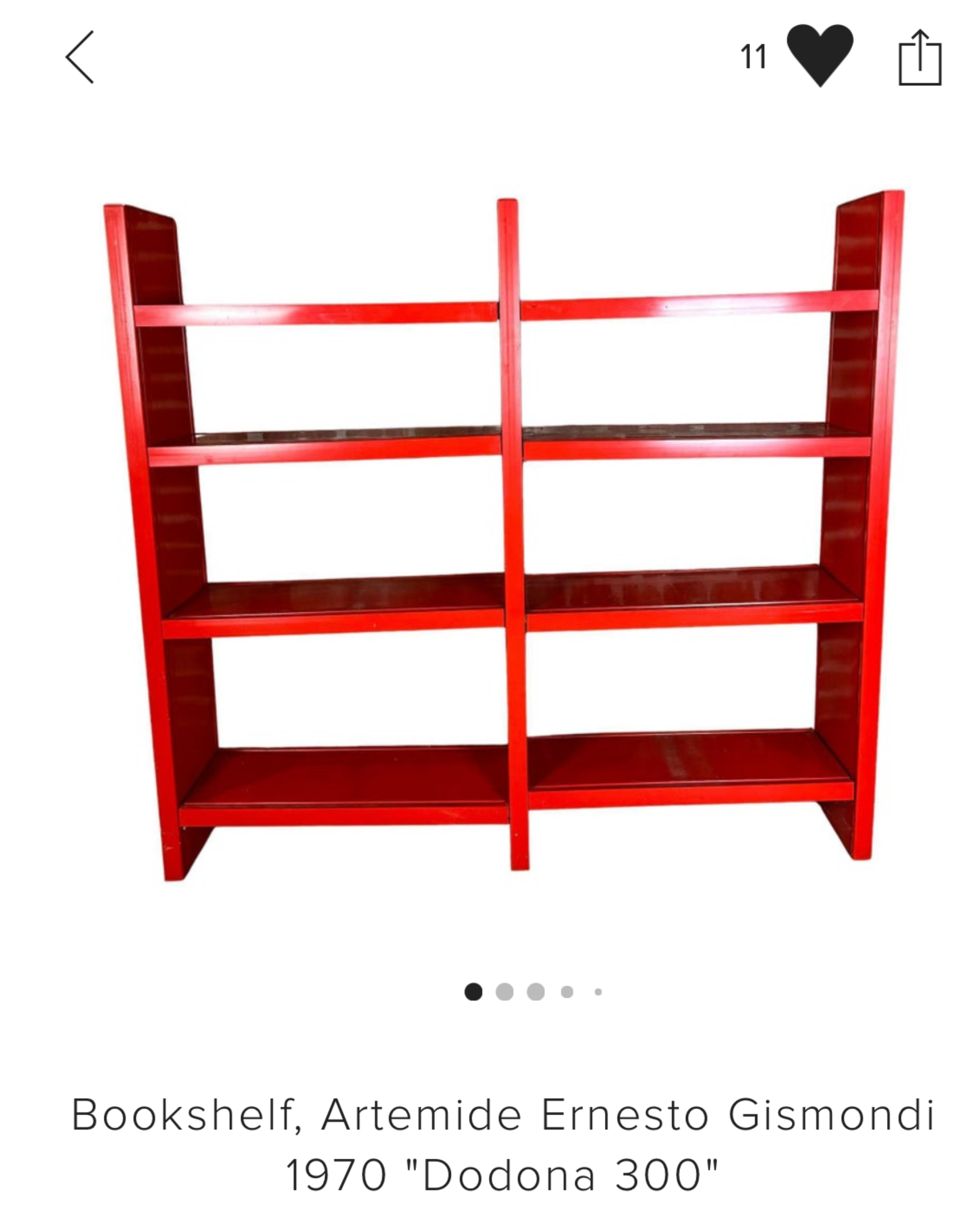
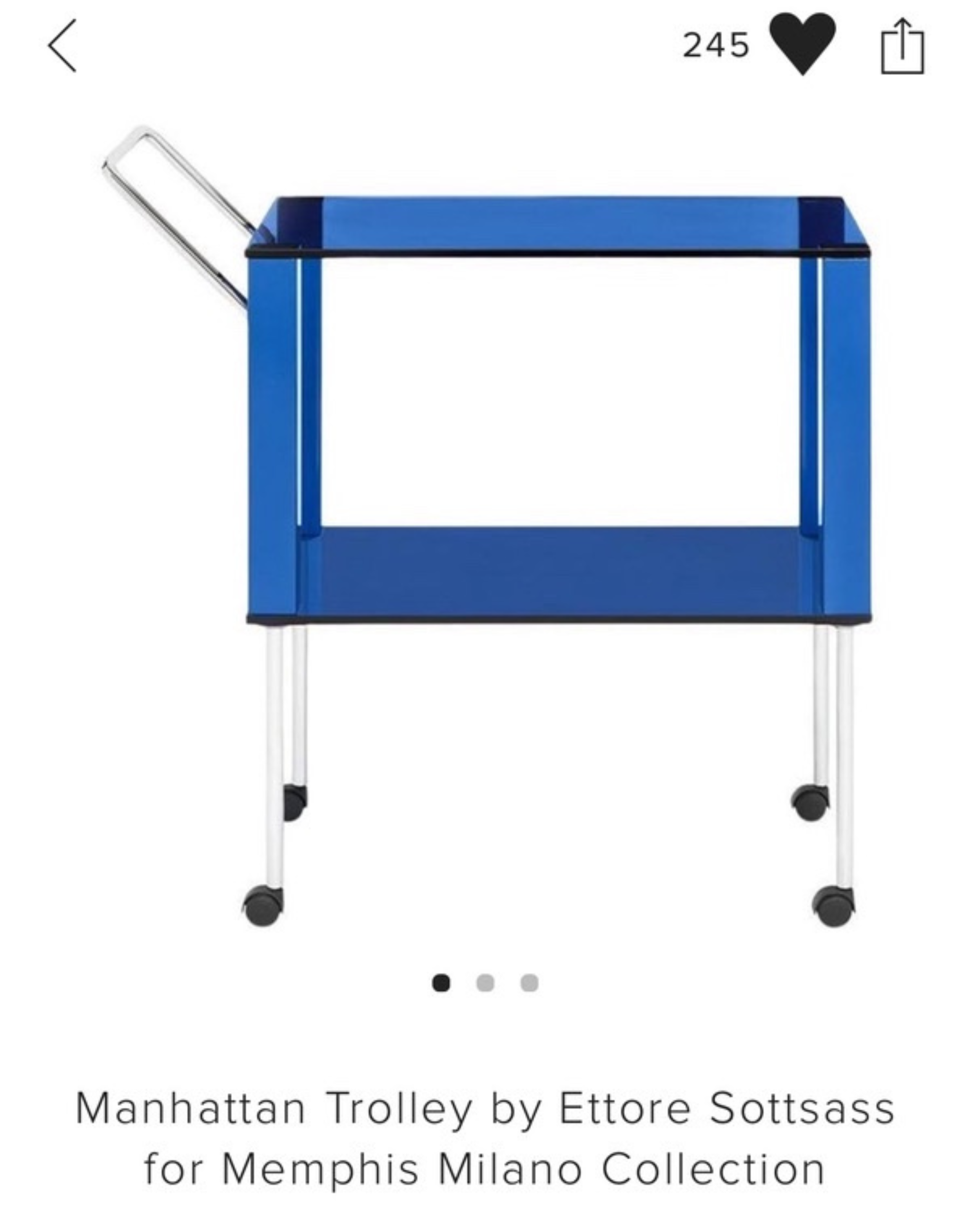
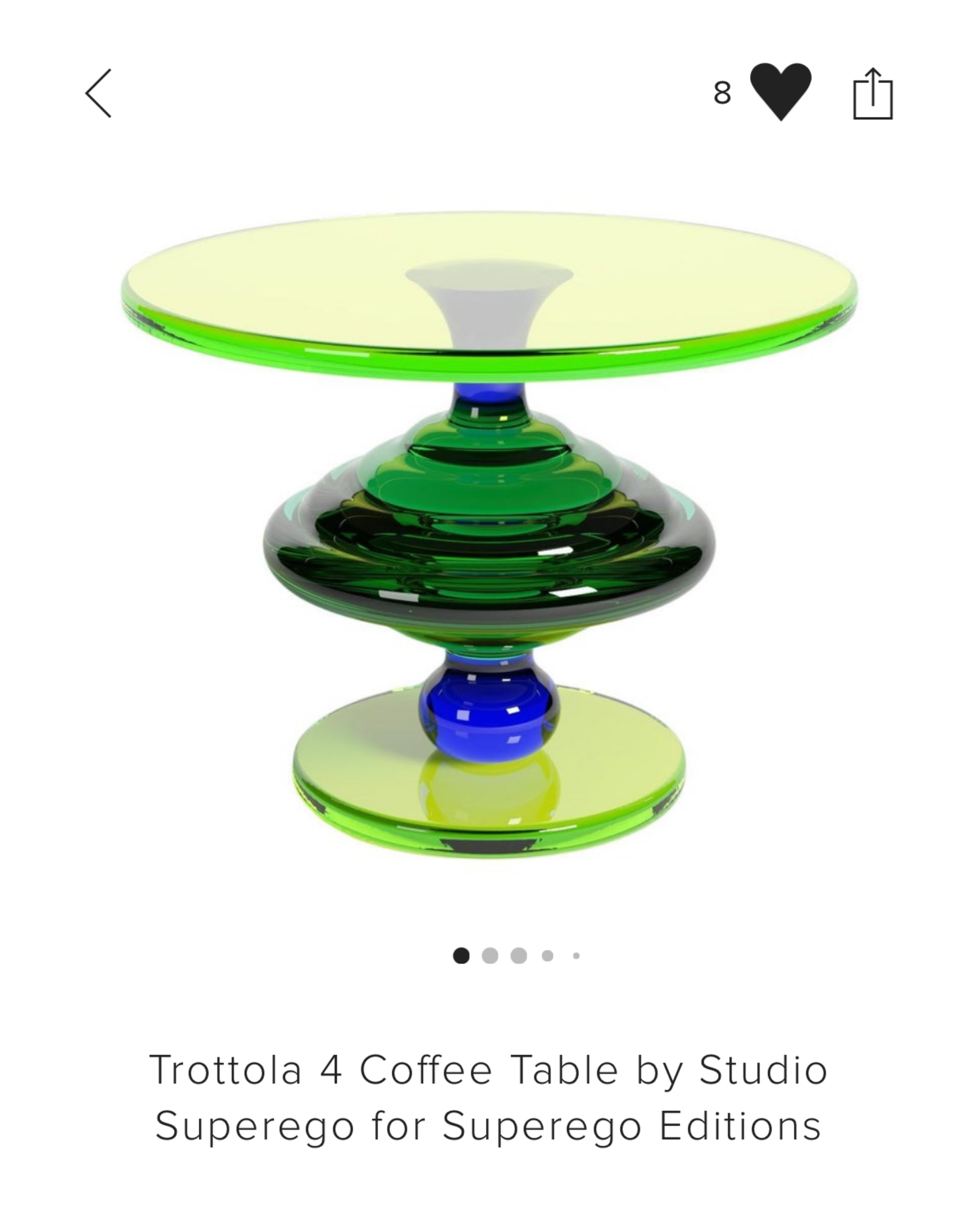
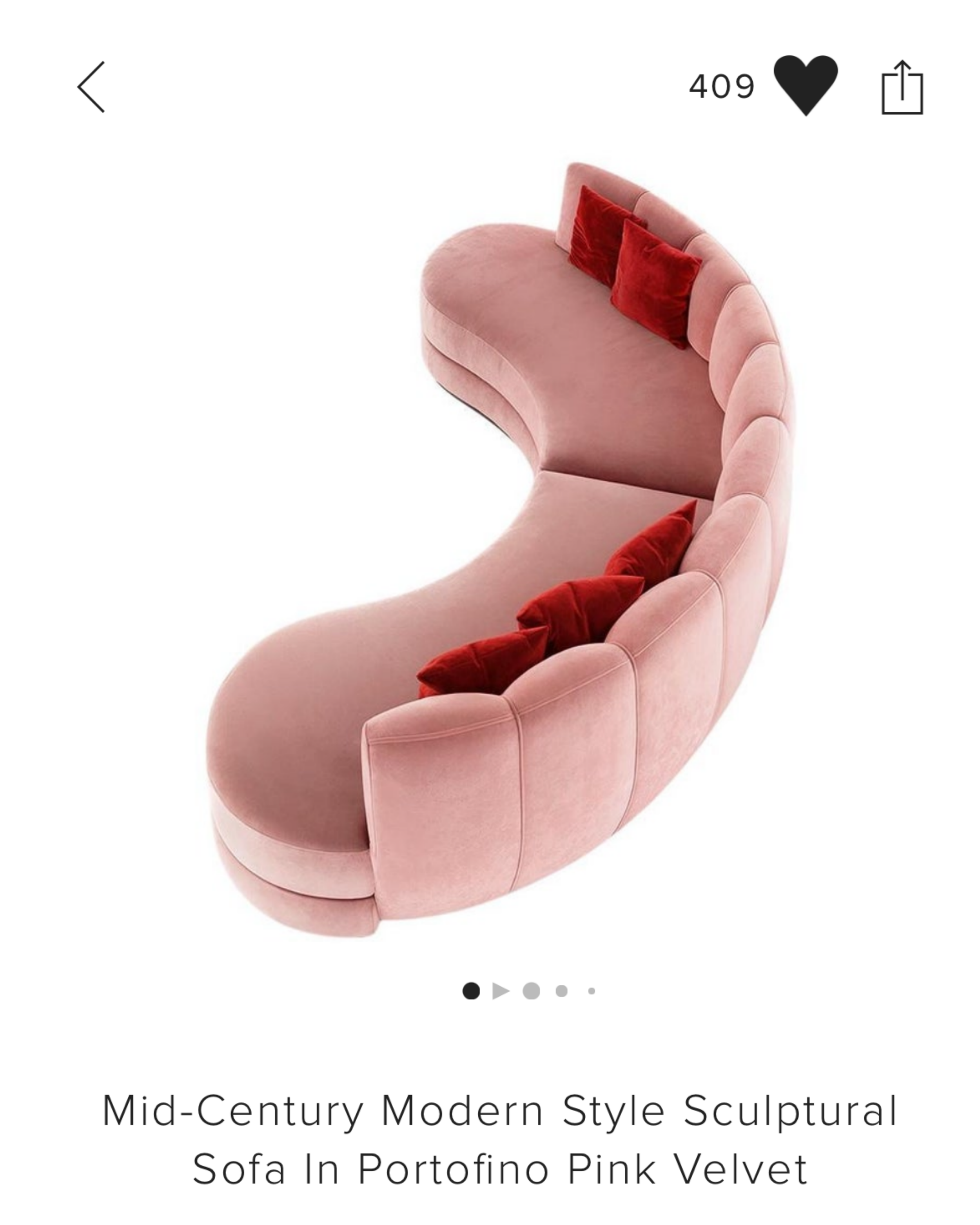
Furniture. If you're not sure where to start, break it down by shape, color, and pattern. Then change one at a time. Take a traditional shape, like a bookshelf, and give it a brave color. If that feels okay, go a step further with an unexpected shape in a more traditional color. Maybe try adding a stool with real personality, a colorful glass side table, an orange sofa, a rattan chair shaped like a hand (yes, really, it curves around your bum in a surprisingly comfortable way). Start small, be open to the possibilities, and stop before the room no longer feels like you.
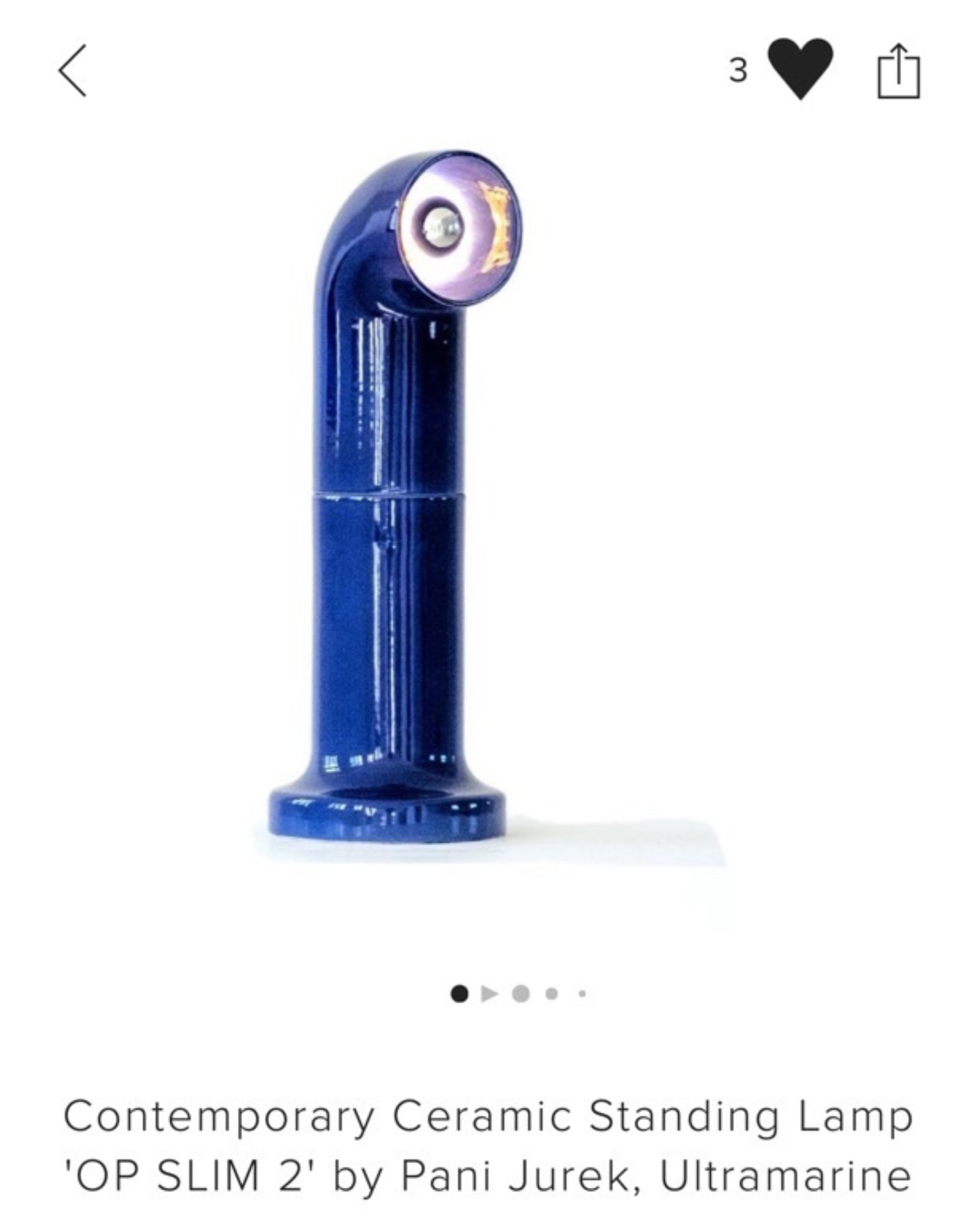
Lighting. This is a great place to bring in a lot of fun color and unexpected shapes. Bright metallic fixtures, the occasional amoeba-shaped sconce. How about a toucan-shaped table lamp? Lighting is where playful can carry a lot of weight without overwhelming a space.
Vintage. BBuying the exact sofa you saw in someone else's feed isn't the worst thing in design. However, a room shouldn’t be an exact copy of someone else's home. That is not Dopamine Design. Find things that belong to you, or should have belonged to you. You know the ones. Balance your space with items that are distinctly yours. Mixing the old with the new is where the magic of vintage happens. It allows a room to feel collected rather than copied. A small colorful drinks table, art with a history, textural pillows, quirky accessories nobody else in your zip code owns. Chairish, 1stDibs, and TheRealReal are all in rotation for me lately (most people only think of TheRealReal for clothing, and the home section is genuinely underrated).
Dopamine Hits Everyone Differently
Chasing your happy doesn't mean you have to start from scratch.. You can start with one new piece, or two, and see how it feels. Are you comfortable pushing the color envelope a little further? Keep going and see where it leads.
Of course, you may want to dive in, full technicolor living. That’s great. Both choices are right.
That’s the beauty of Dopamine Design and what we believe is the foundation of Design Life.
Everyday beautiful was never about restraint. Where’s the fun in that? Our homes should look and feel like the people who live there. So go for it. Make yours unmistakably you.
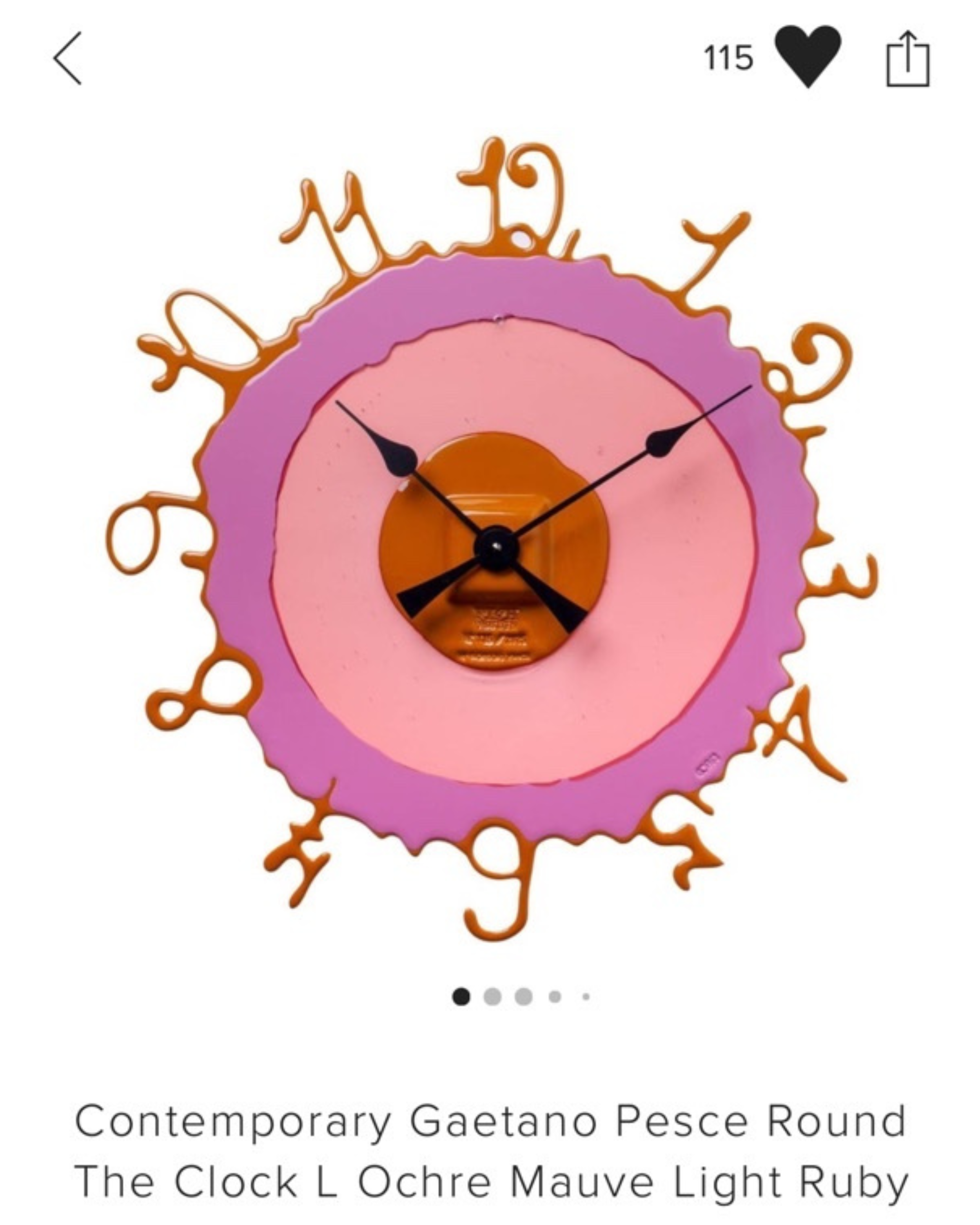
My 1st Dibs wish list for Dopamine Design: